Activity Offer: Heritage Hideaway <Official Website Exclusive>
Select from step 2 of the reservations page, "Add-Ons."
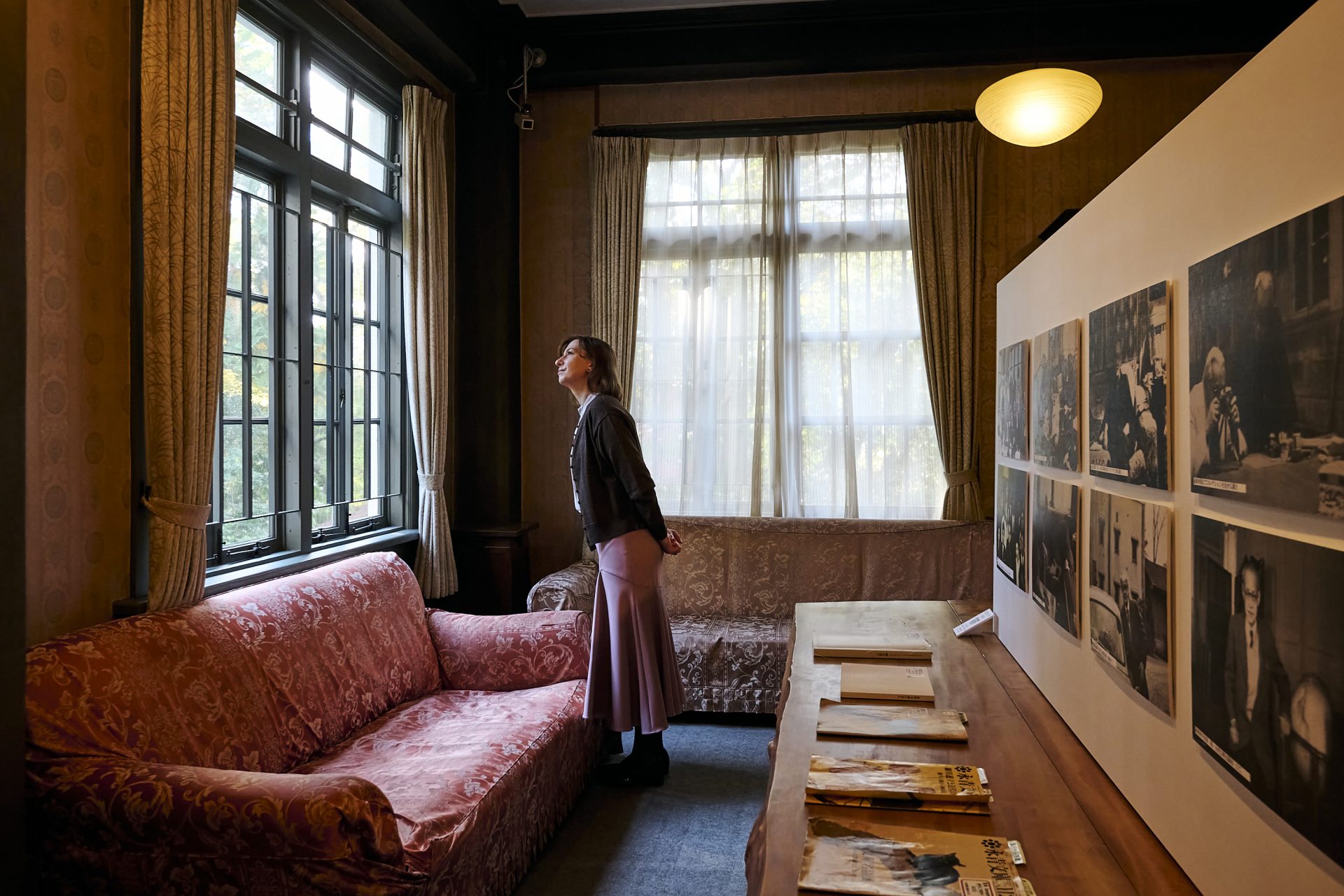
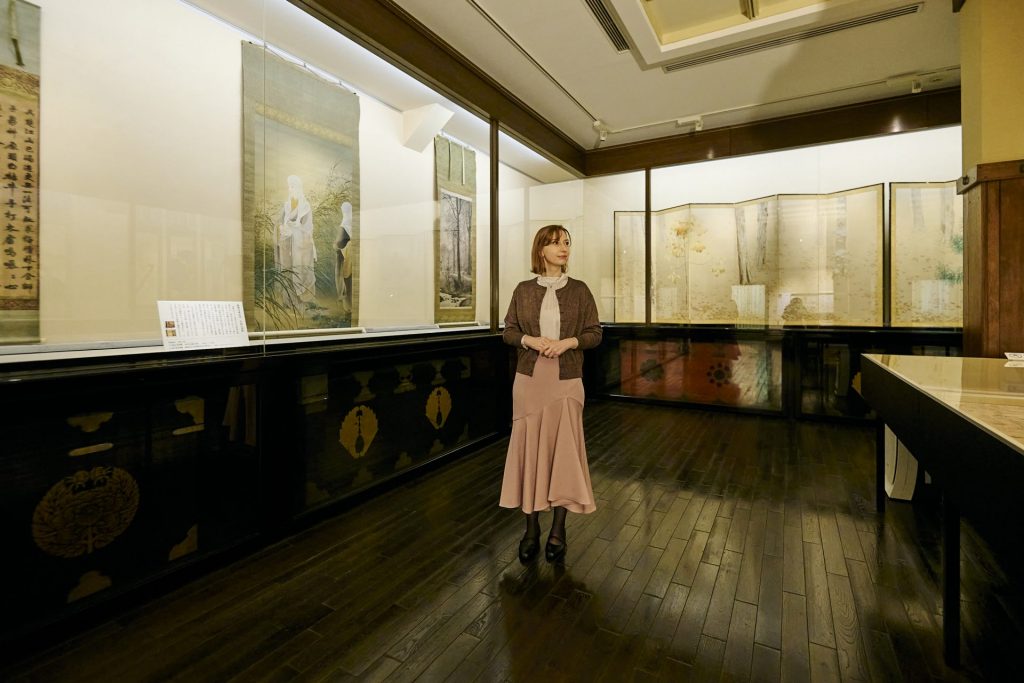
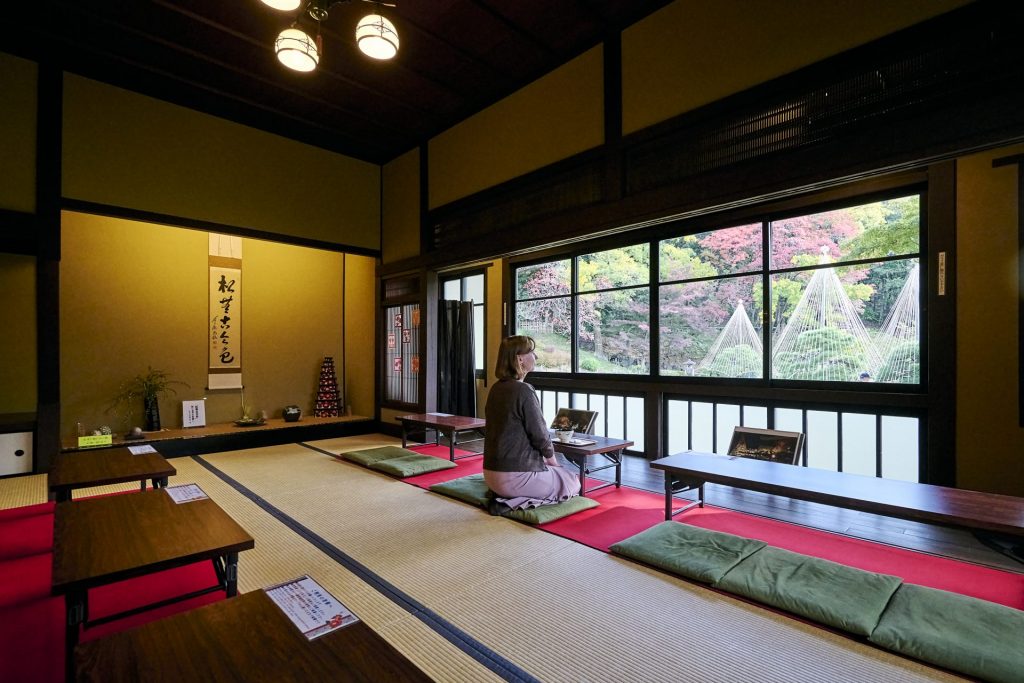
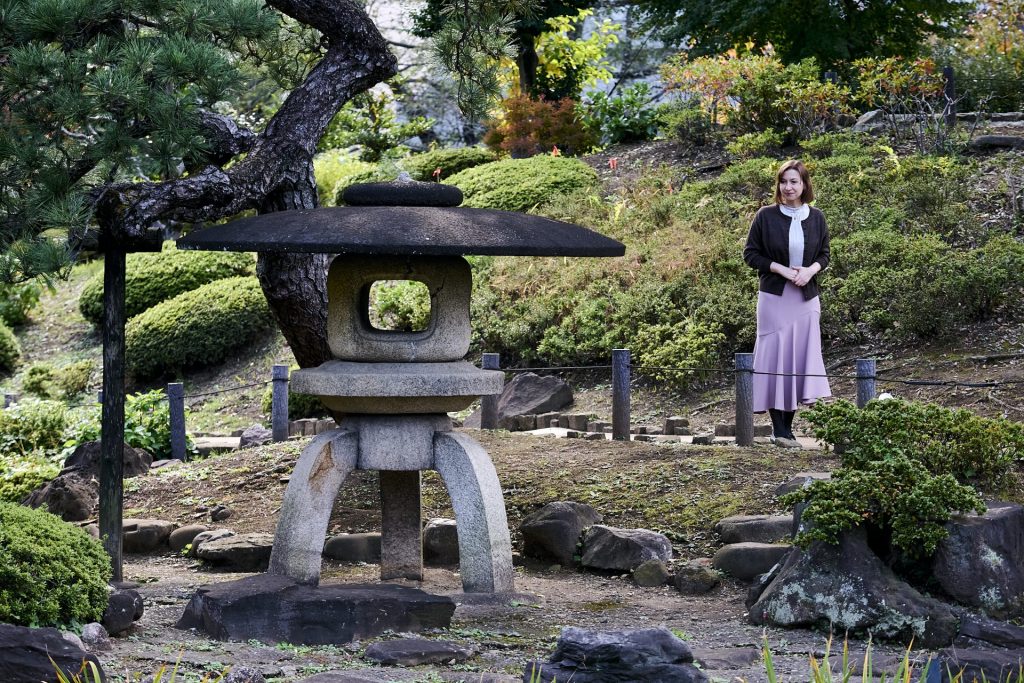
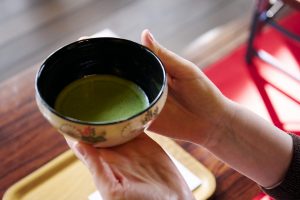
Guests reserving via the official website for stays within the specified dates can enjoy the Eisei Bunko Museum exhibition, a stroll in Higo-Hosokawa Garden, the traditional Japanese garden, and matcha served in the tea room.
Special tickets are available to experience Japanese culture.
Discover More of Heritage Hideaway
・Eisei Bunko Museum admission ticket
・Eisei Bunko Museum pamphlet
・Matcha green tea and sweets at Shoseikaku, Higohosolawa garden resting room ”Tsubaki”
・Leaflet explaining the exhibition
・Pamphlet of Higo Hosokawa Garden
■Eisei Bunko Museum Official Website
■Higo Hosokawa Garden (Admission free)
Opening hours:
From Feb. to Oct.: 9:00 a.m. to 5:00
p.m. (The last admission is at 4:30 p.m.)
From Nov. to Jan.: 9:00 a.m. to 4:30 p.m. (The last
admission is at 4:00 p.m.)
◆Eisei Bunko Museum ◆
– Summer Exhibition –
“Ei Ei Yatto-na!”
Kyogen Masks and Costumes from the Hosokawa Family Collection
Period: Saturday, July 11-Sunday, September 6, 2026
Closed: Mondays except July 20, 2026
Closed on July 21, 2026
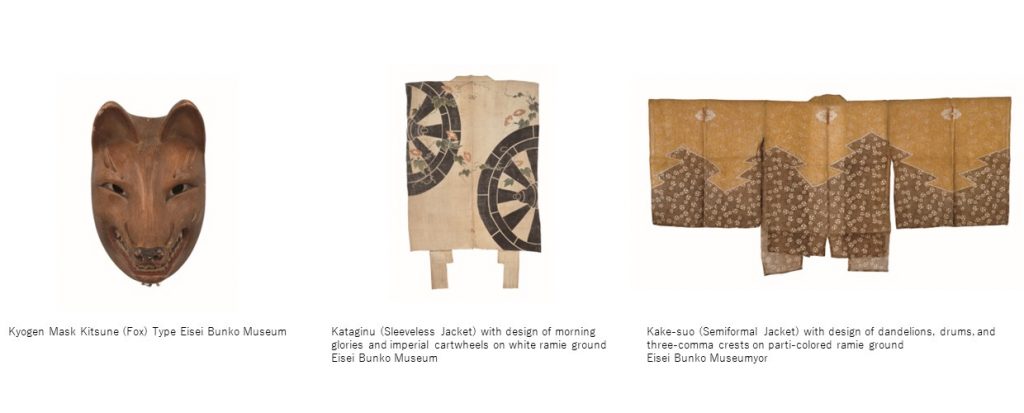 This exhibition focuses on the Kyogen heritage passed down from the Hosokawa family to Eisei Bunko. Typical Kyogen costumes such as suo (semiformal suit), kataginu (sleeveless jacket), and han-bakama (ankle-length trousers), are generally made of ramie fabric and decorated with dyed patterns whose designs are simple yet striking, often employing attractive color contrasts. Masks range from humorous examples with exaggerated facial expressions to familiar representations of animals.
For this exhibition, we are honored to feature special commentary from Nomura Mansaku, Nomura Mansai, and Nomura Yuki, the three generations of the Mansaku-no-Kai Kyogen Company, who have kindly shared their perspectives as Kyogen performers. Since the costumes and masks are displayed at a closer distance than they would be viewed in performance, we hope visitors will enjoy their playful craftsmanship and design.
– Autumun Exhibition –
Joint Project by Eisei Bunko Museum and Aizu Museum, Waseda University
Zen Paintings from the Eisei Bunko Collection, Part I: The World of Hakuin (Working Title)
Period: Saturday, October 3-Sunday, November 29, 2026
Closed: Mondays except October 12 and November 23, 2026
Closed on October 13 and November 24, 2026
Closed on July 21, 2026
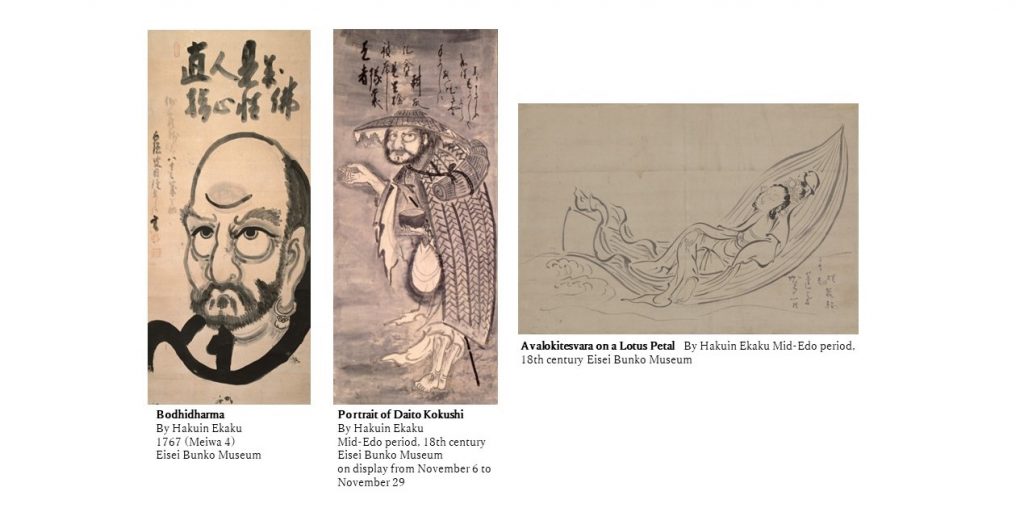
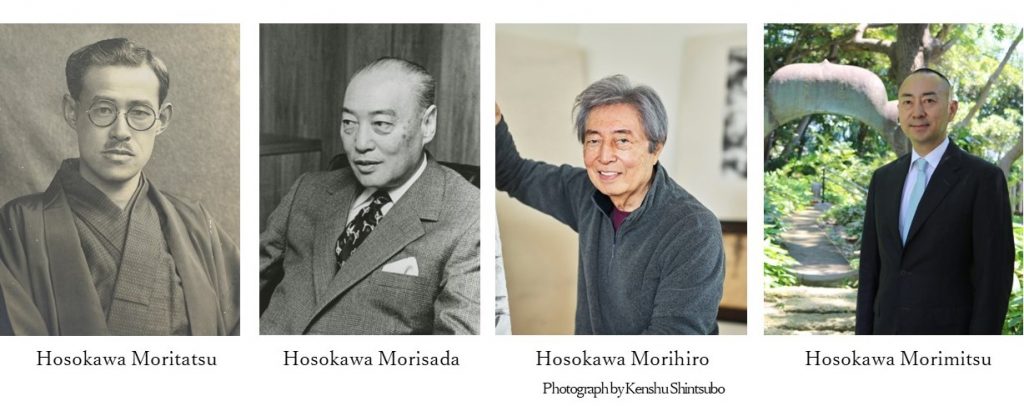
Hosokawa Moritatsu (1883–1970), the founder of the Eisei Bunko Museum, began acquiring Hakuin’s works in his youth. At the age of sixteen, he fell ill with pleurisy, and was deeply moved by Hakuin’s writing “Yasen Kanna (Idle Talk on a Night Boat)” during his convalescence. Eisei Bunko Museum houses more than 300 works of Hakuin’s calligraphy and paintings collected by Moritatsu, forming one of the finest Hakuin collections in Japan in both quality and quantity.
With the cooperation of specialists, we have conducted a survey of works by Hakuin and related Zen monks in our collection. In the course of this research, it became clear that many of the Zen calligraphies and paintings held by Aizu Museum, Waseda University were originally collected by Hosokawa Moritatsu.
Based on the results of this approximately two-year investigation, we are pleased to present a joint exhibition at both Eisei Bunko Museum and Aizu Museum, Waseda University, featuring a selected group of works from the Eisei Bunko Hakuin collection. Hakuin’s works formerly owned by Moritatsu will also be displayed at Aizu Museum, Waseda University.
In the autumn of 2026, we invite you to fully enjoy the world of Hakuin at these two museums, located within walking distance of each other.
– Early Spring Exhibition 2027-
Four Generations of the Hosokawa Family
Period: Saturday, January 16-Sunday, April 11, 2027
Closed: Mondays except March 22, 2027
Closed on March 23, 2027
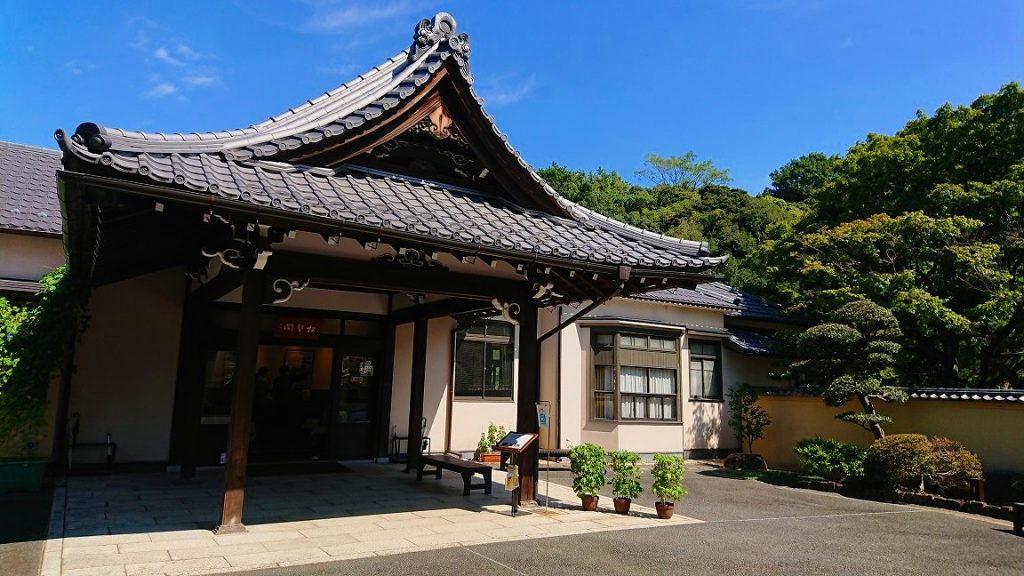
Eisei Bunko Museum is located in a verdant area of Mejirodai in Bunkyo-ku, where visitors can enjoy the traditional landscape of Musashino. The museum building stands on the property where the Hosokawa family lived from the Edo period to the end of World War Ⅱ.
The Hosokawa was one of the three elite warrior families whose head served as kanrei (deputy shogun) to the Muromachi Bakufu. The new line of the Hosokawa family was started during the warring states period by Hosokawa Fujitaka (Yusai). For distinguished war service, the Hosokawa family was given the fief of Higo (present Kumamoto prefecture) valued at 540,000 koku in the time of the third head, Tadatoshi, which made the family tozama daimyo (non-hereditary feudal lord) with unrivaled power and prosper until the end of the Edo period.
Eisei Bunko Museum houses and researches into the cultural properties handed down through the family for generations such as historical documents and artworks, and displays them in the exhibitions. It was established in 1950 by the 16th head, Moritatsu. He named the foundation “Eisei Bunko” taking the “Ei” part from Eigen-an temple, the family temple for eight generations after its founder, Hosokawa Yoriari, and the “Sei” part from Shoryuji castle, the resident of the first head, Fujitaka.
Eisei Bunko Museum was registered as museum under the Museum Law in 1973, a year after the Hosokawa Collection was first opened to the public in 1972. The current museum building was constructed in the early Showa period as kaseijo (administrative office) of the Hosokawa’s residence. The artworks in the museum’s collection were donated by Moritatsu and the 17th head, Morisada, and they are displayed in the exhibition regularly held at Eisei Bunko Museum.